
This time of year, we start to notice it…
Pigmentation that feels like it’s suddenly appeared, patches that weren’t there before, or freckles that have darkened after summer. But the truth is, it’s not always as simple as what we see on the surface.
A lot of the time, what looks like brown pigment sitting on the skin can actually have underlying redness and inflammation beneath it… which is why having your skin properly assessed (and treated by the right hands) matters so much.
What is pigment
Pigmentation is one of those skin concerns we talk about a lot, but it’s actually a broad term that covers any irregular activity of your melanocytes; the cells responsible for producing pigment in the skin. When these cells are triggered, they create areas of visible darkening.
But here’s the thing, pigmentation isn’t the enemy. It’s your skin doing its job. Think of it as your built-in protection system, acting like a tiny umbrella over your skin cells to defend against UV exposure and environmental stressors.
At Harleh, we see firsthand how differently pigmentation can present from person to person. No two skins are the same and often the type of pigmentation you experience is something you’re genetically predisposed to. That said, there are a number of triggers that can influence its appearance over time, including sun exposure, burn or trauma to the skin, hormonal changes and even certain medications.
Understanding your pigmentation is the first step, because once we know what we’re working with, we can treat it the right way.
Why pigment shows up after summer
During summer, your skin is in constant defence mode.
UV exposure (even on cloudy days), heat and inflammation all stimulate your melanocytes; the cells responsible for producing pigment. But that pigment doesn’t always show itself straight away…
Instead, it rises slowly to the surface over time. Which is why we often see:
freckles darken
sunspots become more noticeable
melasma flares
old acne marks darken
Even after the season has passed.
What’s happening underneath
One of the biggest misconceptions with pigmentation is that it’s just surface-level. But in clinic, we see something more complex…
Underneath that brown pigment can actually be redness and inflammation. Which is why some pigment:
looks darker than it is
feels more stubborn
or keeps coming back
If we only focus on what we see, we’re not treating the full picture.
The different types of pigmentation
Because not all pigment is created equal and your skin will always tell a different story!
Below, listed is just a few examples of pigmentation we treat all the time in clinic!
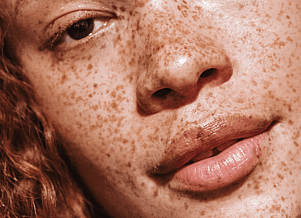
Freckles
Freckles are completely harmless and a natural response to sun exposure.
They often darken in summer and soften again in cooler months, while some love them, others prefer a more even skin tone.
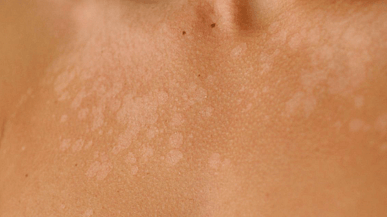
Hypopigmentation
This is a loss of pigment in the skin, showing up as lighter patches.
It’s often linked to trauma or inflammation within the skin and isn’t treated the same way as darker pigmentation.
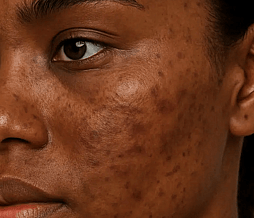
Hyperpigmentation
This is excess pigment, usually triggered by trauma to the skin.
Think:
breakouts
picking
irritation
heat
It’s one of the most common concerns we treat in clinic.
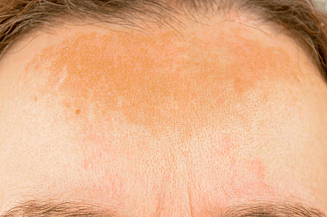
Melasma (chloasma)
Melasma is a more complex, hormonal form of pigmentation.
You’ll often see it across the cheeks, forehead, or upper lip and it’s heavily influenced by heat, sun, and internal triggers.
It’s not just surface-level pigment, which is why it needs a more considered approach.
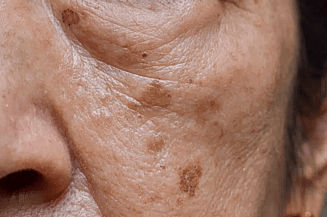
Solar lentigo (sunspots)
These are caused by long-term sun exposure over time.
They tend to appear as more defined, darker patches and are a common post-summer concern.
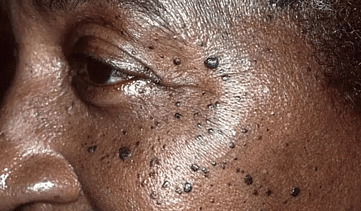
Seborrheic keratosis (age spots)
These are typically raised, textured lesions that can look like pigment but sit differently on the skin.
They’re harmless, but often require a more advanced approach.
Treating pigmentation at Harleh
At Harleh, we tailor your treatments to your skin, because no two types of pigmentation (or clients) are the same.
Our advanced treatment options include:
Pico Genesis
Laser Genesis
Cosmelan
Advanced skin peels
Skin needling
Perscribed, targeted homecare products
Each treatment is selected based on what your skin actually needs, not just what we see on the surface.
*It is important to note that treatments for pigmentation concerns will always be on-going because the process of melanogenesis is a natural function of the skin that can never be completely suppressed.
The Harleh approach
Pigmentation isn’t something we rush and it’s never one-size-fits-all.
It’s about understanding your skin, supporting it properly, and creating long-term, visible change.
If your skin is feeling a little uneven, pigmented, or not quite like itself, this is your sign to pop into clinic and have a consultation with one of our advanced therapists.
However, if you are experiencing a pigment lesion that is asymetrical, changing in size or colour we recommend getting it checked with our friends at Cutting Edge Plastic Surgery.